News
Understanding the European Union Packaging and Packaging Waste Regulation (PPWR)
The EU Packaging and Packaging Waste Regulation (PPWR) is transforming how businesses approach industrial packaging. As a global leader, Greif remains committed to sustainability and helping your business navigate evolving regulatory requirements. We created this hub to provide key information and resources that support more informed decisions around packaging compliance, recyclability, circularity, and performance.
Unpacking PPWR
A New Era in Packaging Regulation
PPWR is an EU-wide regulation designed to reduce packaging waste, increase packaging circularity, promote reuse, and improve recyclability across all packaging materials. Unlike the previous Packaging and Packaging Waste Directive, the PPWR applies directly across all EU Member States, creating a more harmonized regulatory framework for packaging placed on the EU market.
The regulation introduces a broad range of requirements and targets, including waste reduction measures, design-for-recycling requirements, reuse and refill targets, minimum recycled content requirements for certain plastic packaging, harmonized labeling requirements, and Extended Producer Responsibility (EPR) provisions that encourage more sustainable packaging choices.
Resource Notice
Please note that this information does not constitute legal, regulatory, or packaging advice. It is intended as a general, non-exhaustive summary of the PPWR based on publicly available information. Customers should consult relevant EU and national authorities, legal counsel, and their own regulatory compliance teams to assess obligations specific to their circumstances.
This page was last updated in August 2026.
October 6, 2026
PPWR Update: What Industrial Packaging Professionals Need to Know Now
July 16, 2026
PPWR Declarations of Conformity Explained: Who Is Responsible and How to Prepare for August 2026
January 26, 2026
Unpacking PPWR: What Substances of Concern Mean for Your Market

December 17, 2025
Unpacking PPWR
August 26, 2025
Unpacking PPWR
Timeline
PPWR Implementation Timeline
PPWR entered into force on 11 February 2025 and generally starts to apply on 12 August 2026, with additional requirements and performance targets being phased in through 2030, 2035, and 2040. The European Commission continues to develop implementing measures, technical guidance, and delegated acts that further define specific obligations under the regulation. As a result, businesses should continue monitoring regulatory developments and assess how evolving requirements may impact their packaging portfolios, operations, and compliance strategies.
-
February 11, 2025
PPWR officially enters into force, offering a transition period for compliance.
-
August 12, 2026
The PPWR generally starts to apply. Packaging must comply with requirements on substances of concern and heavy-metal limits; food-contact packaging must meet PFAS limits; and reusable packaging must satisfy the PPWR’s reusability and reuse-system criteria. Related conformity assessment and documentation obligations also apply.
-
2030 Targets
- Packaging placed on the EU market will be required to meet design-for-recycling requirements established under PPWR and related implementing measures.
- Minimum PCR content requirements for plastic packaging apply.
- First reuse targets applicable to specific packaging categories
- Packaging minimization becomes mandatory, limiting empty space in packaging design.
-
2040 Targets
- Increased PCR content requirements.
- Further reductions in packaging waste and expanded reuse targets.
Key Requirements
What are the key requirements of PPWR?
Packaging Waste Reduction
- EU-wide targets for the member states to reduce packaging waste per capita by 5% (2030), 10% (2035), and 15% (2040) based on 2018 levels.
- Bans on certain single-use plastic packaging, such as shrink wrap and small condiment sachets.
Recyclability
- By 1st January 2030, all packaging must be recyclable by design (with the exception for the transportation of dangerous goods packaging).
- By 1st January 2035, all packaging must be recyclable at scale* (with the exception for the transportation of dangerous goods packaging).
*At scale means that sufficient infrastructure and capacity must exist across the EU to collect, sort, and process the material into new products efficiently and economically.
Reuse
- For transport and sales packaging used for transportation (with the exception for transportation of dangerous goods packaging):
- At least 40% of total packaging volume must be reusable within a re-use system by 2030, and
- Aim for 70% by 2040
- For transport packaging and sales packaging used for transportation between different sites belonging to the same business, or between different businesses within the same EU country (with the exception for transportation of dangerous goods packaging):
- 100% of total packaging volume must be reusable within a system of reuse
Recycled Content
Plastic packaging must include recycled content (Post Consumer Resin (PCR)) (with the exception for transportation of dangerous goods packaging). The percentage depends on how packaging is classified (material, usage, contact sensitivity):
| Packaging Type | 2030 | 2040 |
|---|---|---|
| Food Packaging | 10% | 25% |
| Non-food Packaging | 35% | 65% |
Substances of Concern
All packaging must minimize the use of substances of concern by August 12, 2026. Specific thresholds apply to heavy metals (for all packaging) and to BPA and PFAS (for food-contact packaging).
Labelling
Depending on its use and reusability, packaging must feature specific labels or QR codes, such as:
- Material Composition
- EU harmonized sorting instructions
- Reuse instructions
- Mandatory QR codes to enhance tracking
Eco-Modulated Extended Producer Responsibility (EPR) Fees
- EPR fees to be paid by parties placing their packaging products on the market, will be based on recyclability performance grades from A to C, encouraging sustainable design choices.
- Incentives for using recycled content, as well as lightweight and fully recyclable packaging.
How Can Greif Help?
Prepare for What Comes Next
Greif is proactively working to implement PPWR across its organization, as relevant and applicable. We are committed to complying with the specific requirements outlined starting from the applicable dates. We are continuously reviewing our portfolio to ensure compliance with PPWR while maintaining product integrity and performance.
Our sustainability strategy and business model are rooted in circular economy principles with our extensive expertise and diverse portfolio of solutions. Contact the Greif team today to explore our sustainable packaging solutions and ensure compliance with the new EU regulations.
Recyclable Products
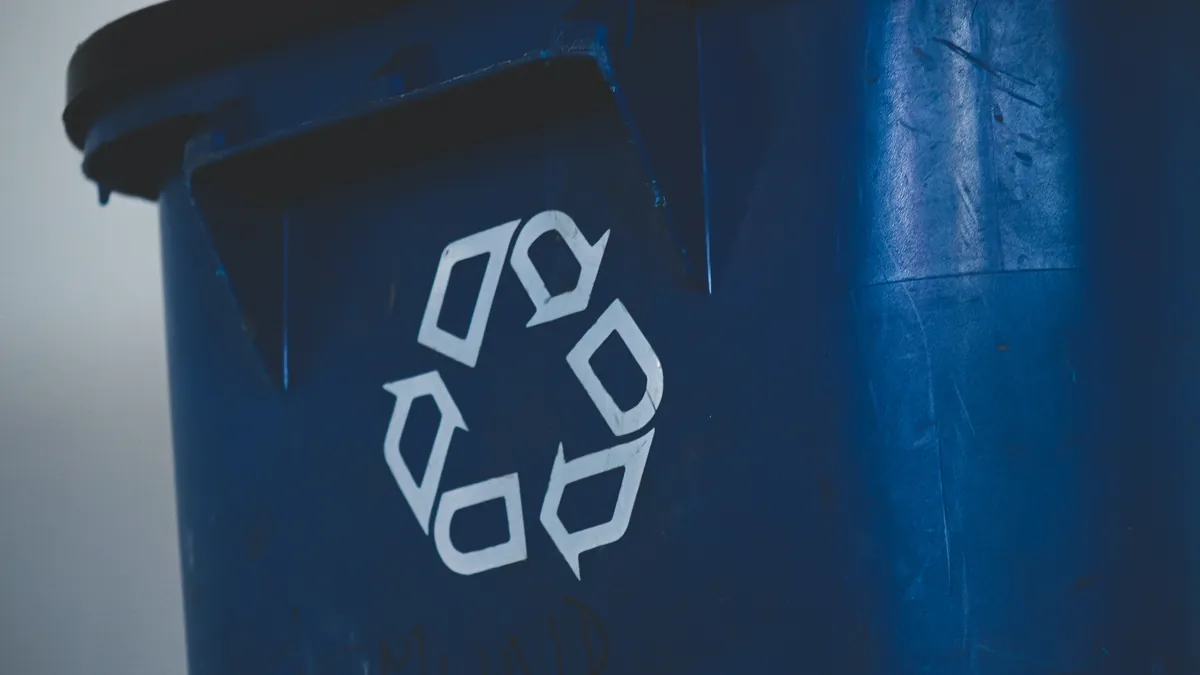
Our plastic and steel products are largely recyclable by design, supported by our comprehensive suite of barrier protection alternatives.
Packaging Product Optimization
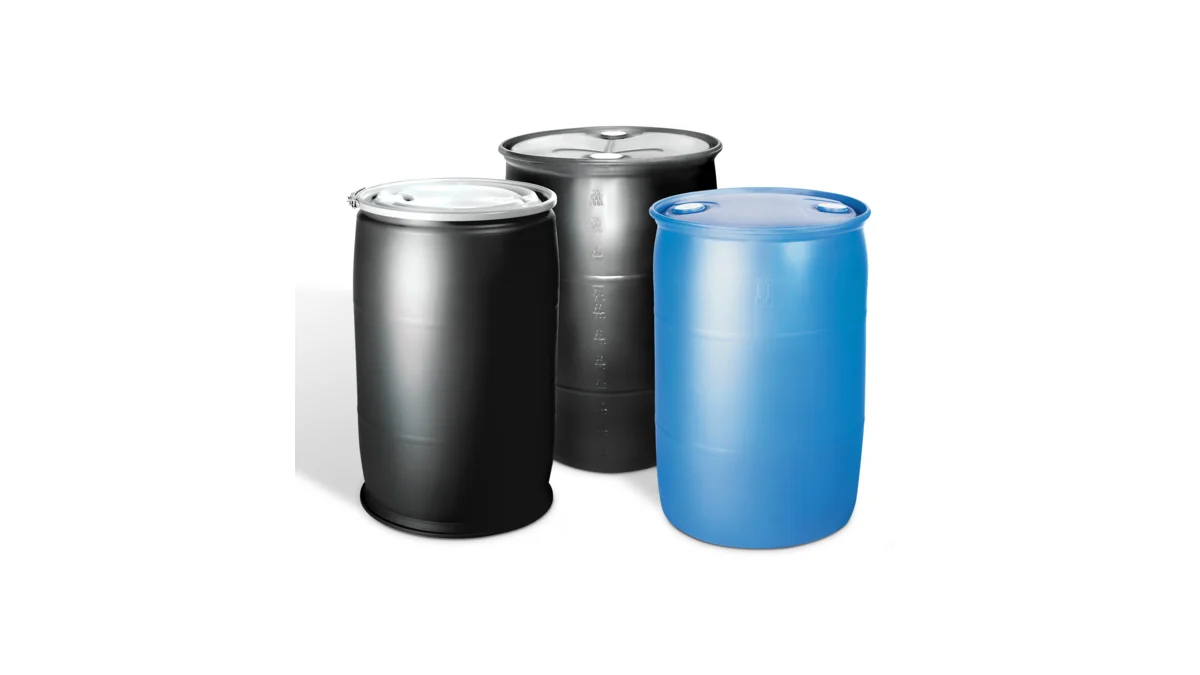
Optimizing Greif products to reduce waste and increase the use of recycled materials is a cornerstone of our strategy. Lightweighting, downgauging, and prioritizing recycled materials are integral to our product design process whilst maintaining product integrity and performance. We have a range of lightweighted products such as NexDrum/Valerex, JCR Jerrycans, EcoBalance™ steel drums, and IBCs.
PCR Products
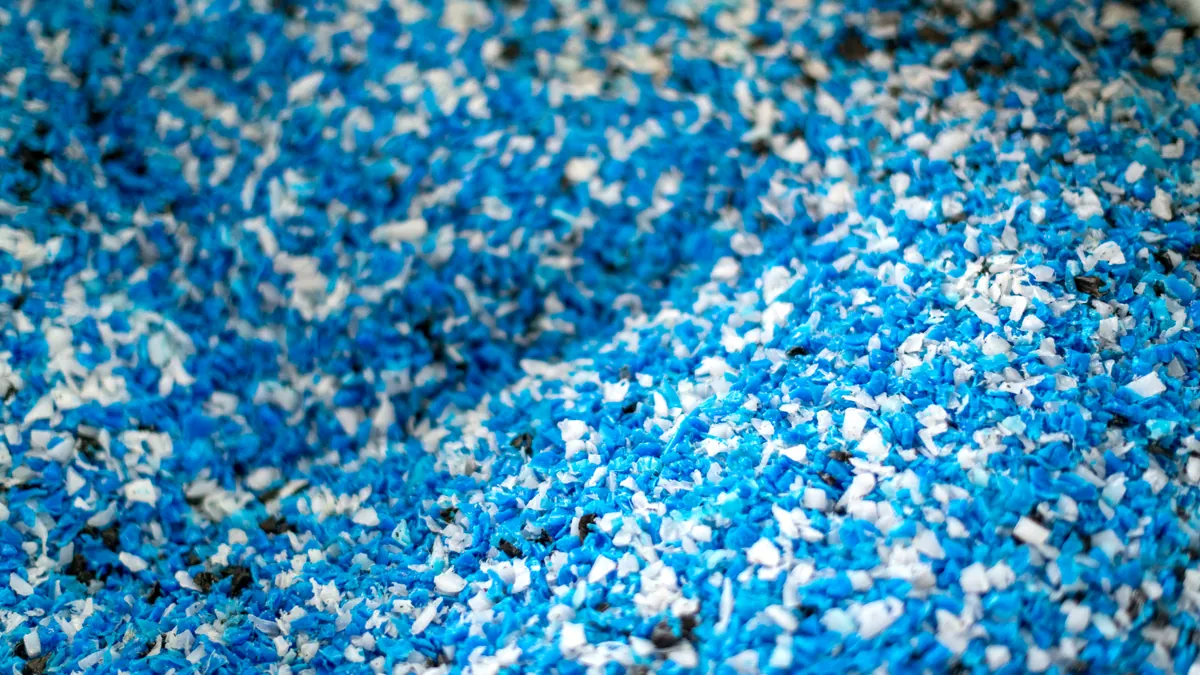
We have been incorporating recycled materials such as post-consumer resin (PCR) into our products for many years. We use PCR in Greif products including IBCs, small and large plastics drums, jerrycans, and pallets.
Life Cycle Services by Greif
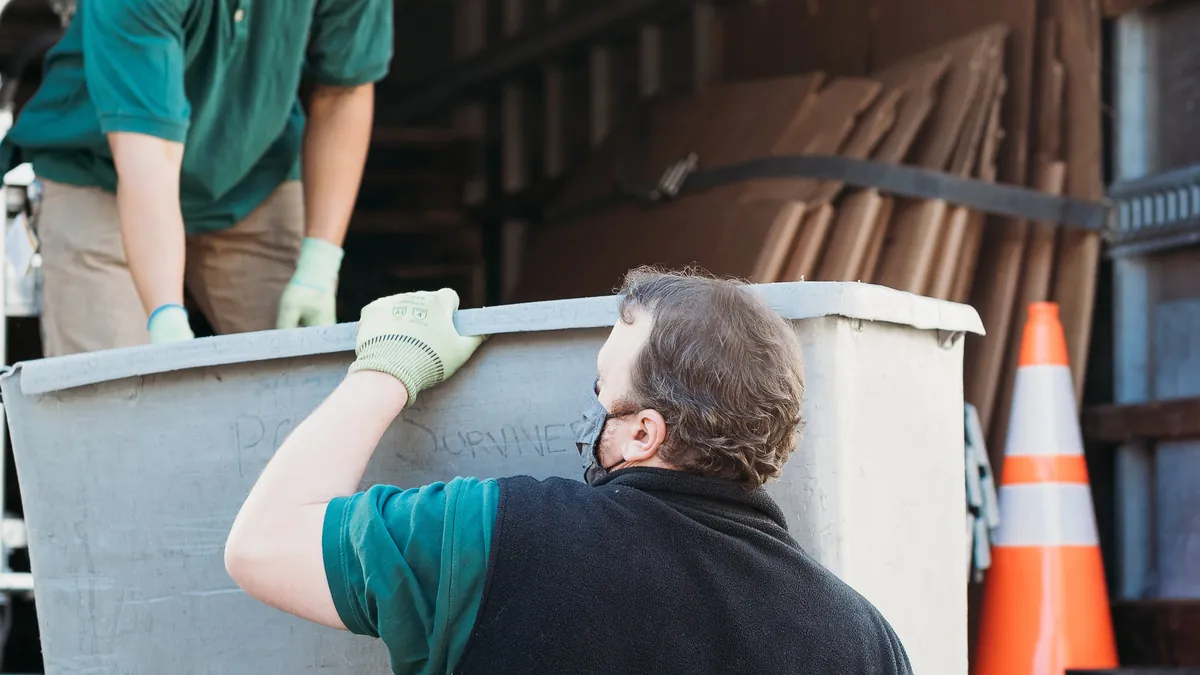
Our network provides access to used steel, plastic, and paper products that advance circularity and help our customers meet PPWR requirements. In North America and Europe, we collect and recondition used steel, plastic, and IBC packaging products, making them suitable for reuse and resale. In 2024, we collected 3.6 million containers, reconditioned or remanufactured more than 2.6 million of these containers and recycled the remaining containers.